

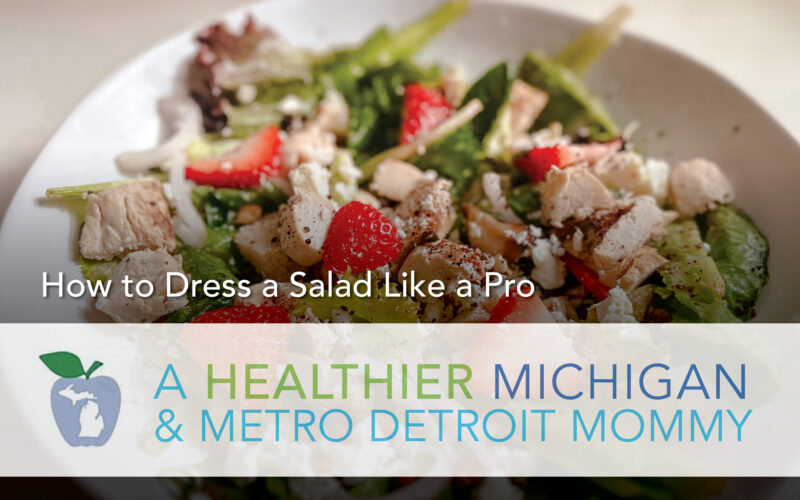
A great salad isn’t just about fresh greens and tasty toppings ─ it’s about how you dress it. Too much dressing, uneven coating, soggy leaves or flavor pooling at the bottom can turn even the best ingredients into a disappointing bowl.
The secret lies in understanding your dressing, your greens and how they interact. Once you know when to dress the bowl and when to dress the leaves, your salads instantly level up.
Step 1: Match your dressing to your greens
Before you pour anything, think about what kind of dressing you’re using and what kind of greens are in your bowl.
Creamy dressings = structured greens
Creamy dressings like ranch, Caesar, tahini or yogurt-based dressings are heavier by nature. They cling well but can easily overwhelm delicate leaves.
These work best with sturdy greens such as:
- Romaine
- Kale
- Cabbage
- Hearty mixed greens
These greens can handle the weight and won’t collapse under thick dressings.
Vinaigrettes = delicate greens
Vinaigrettes are lighter and more fluid, making them perfect for tender leaves.
They pair best with:
- Arugula
- Butter lettuce
- Spring mix
- Spinach
- Frisée
Because vinaigrettes are lighter, they enhance these greens without flattening them.
Step 2: When using creamy dressing, dress the bowl first
How to do it:
- Always start with dry greens when dressing a salad.
- Add a spoonful or two of dressing to the bottom of a large bowl.
- Use a spoon to spread it around the sides.
- Add your greens on top.
- Toss with hands gently until coated. Hands are best, but tongs work if you don’t want to get too messy.
Why this works:
- Prevents heavy clumps of dressing
- Creates an even, light coating
- Less dressing overall
- Keeps greens from getting soggy
This technique is especially effective with romaine and other sturdy lettuces, giving you a restaurant-style finish without drowning the salad.
Step 3: When using vinaigrettes, dress the greens directly
Vinaigrettes work best when they’re tossed directly with the leaves.
How to do it:
- Add your greens to a large bowl.
- Drizzle a small amount of vinaigrette over the top.
- Toss gently with hands.
- Taste and add more if needed.
Start with less than you think ─ you can always add more, but you can’t take it away.
Why this works:
- Light vinaigrettes spread easily
- Delicate greens absorb flavor quickly
- Prevents over-saturating tender leaves
Step 4: Emulsify vinaigrettes for sturdy greens
If you’re using a vinaigrette on romaine or other structured greens, there’s one extra step that makes a big difference: emulsification.
Without emulsifying, oil and vinegar separate. When poured over sturdy leaves, the liquid slides right off, leaving uneven flavor and puddles at the bottom.
How to emulsify:
Mechanical action helps mix the components together:
- Shake in a jar with a lid.
- Whisk vigorously in a bowl.
- Blend briefly with an immersion blender.
Emulsifying agent helps the dressing stay emulsified and creates a more uniform texture:
- Mustard
- Egg yolk
- Mayonnaise
- Tahini
A proper emulsion blends the oil and acid into a unified, slightly thickened dressing.
Why it matters:
- Helps vinaigrette cling to firm leaves
- Creates even flavor
- Prevents watery bottoms
- Improves texture
If you’re putting vinaigrette on romaine, kale or cabbage, always emulsify first.
Step 5: Toss gently and thoroughly
No matter the dressing type, tossing technique matters.
Best practice:
- Use clean hands or large tongs.
- Lift from the bottom.
- Turn over gently.
- Rotate the bowl as you toss.
Avoid aggressive mixing ─ it bruises leaves and makes salads wilt faster.
You’re aiming for lightly coated, not drenched.
Step 6: Dress right before serving
Timing is everything. Dress your salad right before eating or no more than 5 to 10 minutes ahead (for sturdy greens). Dressing too early causes wilting and a soggy texture.
If prepping ahead, keep dressing separate and toss at the last minute.
Step 7: Add other ingredients
Add additional veggies and toppings.
Focusing on prevention like healthy eating and exercise can lead to lower health care costs and more affordable insurance for all. Learn about Blue Cross Blue Shield of Michigan’s (BCBSM) commitment to affordability here.
Shanthi Appelo is a registered dietitian and health and wellness spokesperson at BCBSM. For more health and wellness information, visit ahealthiermichigan.org.

Our mission is to help everyone in Michigan get healthier from the inside out. This means everything from giving you resources to help you make better decisions about diet and exercise, as well as information on creating and sustaining nurturing communities and successful businesses — everything you need to help create a healthier Michigan.