

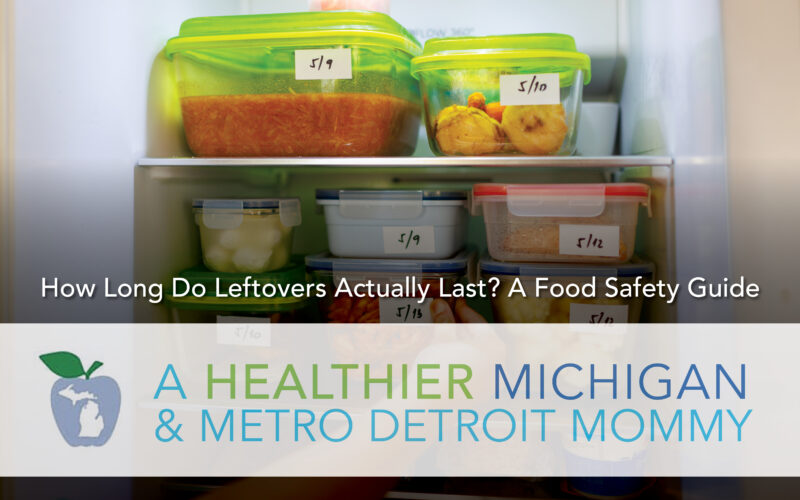
Leftovers can save time during the week, reduce food waste and make meal planning easy. But knowing when those leftovers have expired is just as important as storing them in the first place.
Many people rely on the “smell test” or assume any food is fine as long as it looks normal. But harmful bacteria that can cause foodborne illness often cannot be seen, smelled or tasted. Improper storage and time spent in unsafe temperatures are major contributors to foodborne illness.
Why the smell test isn’t enough to judge good or bad leftovers
While mold, slime or a sour odor can signal spoilage, food does not have to smell bad to harbor dangerous bacteria. Some pathogens grow without causing noticeable changes in appearance, texture or smell. That means a container of leftovers can appear perfectly fine while still posing a health risk.
The commonly cited “3-to-4-day rule” is also not a one-size-fits-all guarantee. Most leftovers can be safely stored in the refrigerator for three to four days or in the freezer for three to four months, but factors such as how quickly food was refrigerated and how it was handled before storage can affect safety.
When uncertainty exists, food safety experts recommend erring on the side of caution and discarding questionable leftovers. Beyond the smell test, here are other telltale signs that certain foods has spoiled:
- It has a pale, gray or greenish texture or is visibly moldy
- It feels slimy, sticky or mushy
- It has curdled or separated
Common foods to refrigerate or freeze
Many everyday foods can be safely refrigerated or frozen when stored promptly after cooking. Common leftovers that can be refrigerated up to that 3-to-4 day mark include:
- Cooked meat and poultry (can be frozen for 2-to-6 months)
- Fish (can be frozen for 2-to-6 months)
- Soups and stews (can be frozen for 2-to-3 months)
- Pizza (can be frozen for 1-to-2 months)
- Cooked vegetables (can be frozen for 2-to-3 months)
- Rice and pasta (can be frozen for 1-to-2 months)
Rice and pasta should be refrigerated promptly after cooking because bacteria can grow when cooked starches sit at room temperature too long. Labeling containers with the date can also make it easier to track how long leftovers have been stored.
Best practices for storing leftovers
Safe storage starts shortly after cooking. The USDA recommends refrigerating perishable foods within two hours of cooking or serving. If temperatures exceed 90 degrees Fahrenheit – like they may during an outdoor gathering – food should be refrigerated within one hour. Here are some tips to help food cool quickly and evenly:
- Divide large batches of food into shallow containers
- Store leftovers in airtight containers or tightly wrapped packaging
- Keep refrigerator temperatures at 40 degrees Fahrenheit or below
- Freeze leftovers that will not be eaten within three to four days
Freezing does not kill all bacteria, but it does stop bacterial growth. Most frozen leftovers remain safe indefinitely from a food safety standpoint, although quality may decline over time.
Reheating leftovers safely
Proper reheating is the final step in preventing foodborne illness. The USDA recommends reheating leftovers to an internal temperature of 165 degrees Fahrenheit, measured with a food thermometer. Soups, sauces and gravies should be brought to a rolling boil when reheated.
When using a microwave, cover food and rotate or stir it during heating to eliminate cold spots where bacteria can survive. Allow food to rest briefly before checking its temperature.
Ashley Popovic is a registered dietitian with Blue Cross Blue Shield of Michigan. For more health tips and information visit AHealthierMichigan.org.

Our mission is to help everyone in Michigan get healthier from the inside out. This means everything from giving you resources to help you make better decisions about diet and exercise, as well as information on creating and sustaining nurturing communities and successful businesses — everything you need to help create a healthier Michigan.