

For many Metro Detroit moms, the “sandwich years” are a daily balancing act. The school carpool starts at 7:15 a.m. The work day starts somewhere around 8:30. The text from a sister or brother, asking whether anyone has heard from Mom since Tuesday, has started to land at unpredictable times. The traffic on I-696 is a real factor in how quickly anyone can actually get from a Birmingham office to a Royal Oak senior’s living room when the call comes. The county is large, the family is spread across it, and the older generation is determinedly staying in the homes they raised their kids in.
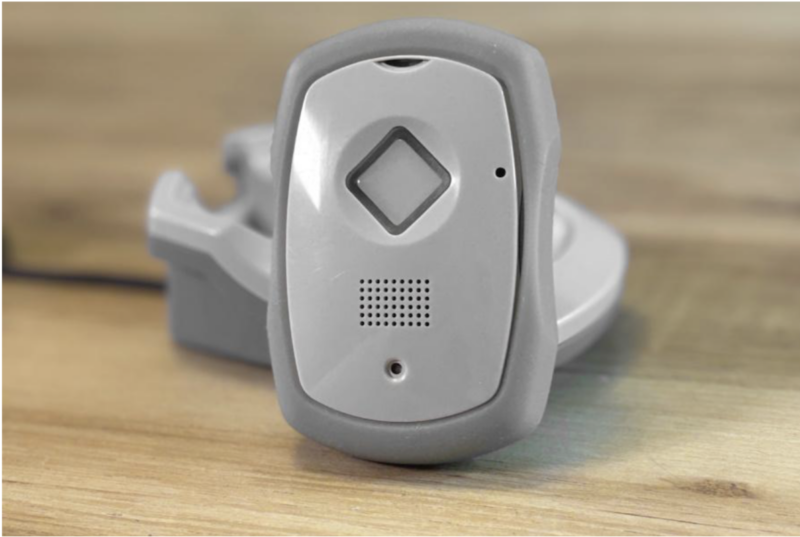
The technology that quietly makes this work has improved dramatically in the last few years. The pendant alarm of a decade ago has been replaced by a connected, GPS equipped, two-way audio device that does considerably more for considerably less daily friction. A modern Life Assure medical alert is the kind of small, calm piece of household infrastructure that takes a real measurable amount of weight off a sandwich-generation mom’s daily worry. This piece is for the Metro Detroit family weighing whether the time has come.
When Metro Detroit Families Usually Decide to Get One
The decision rarely arrives all at once. It typically arrives after a near-miss or a slow accumulation of small worries.
After a fall in the basement that didn’t quite become a hospital trip. The recovery is slow, the confidence is shaken, and the next event is now the question that nobody quite wants to ask aloud.
After a hospital discharge from Beaumont, Henry Ford, or Corewell. The discharge paperwork mentions home safety and family support, and the family suddenly notices that the house in St. Clair Shores or Farmington Hills is bigger and quieter than it used to be.
After a diagnosis. Cardiac, neurological, or anything that introduces sudden episodes. When memory has started to play a role, families often find themselves reading up on the early signs of cognitive decline alongside the safety conversation.
After a loss. The remaining parent has lived with constant company for forty or fifty years, and now the house is silent for hours at a time. The medical alert is partly safety, partly companionship in the form of a service that answers when called.
After a move. Either the parent downsizing to a condo in Bloomfield Hills, or the adult children moving farther out into the suburbs. Each kind of move loosens the proximity that the previous arrangement quietly relied on.The pattern across Metro Detroit households is remarkably consistent, and the framework of practical advice maintained by AARP for sandwich-generation caregivers mirrors what most families work through on their own.
What a Modern Medical Alert Actually Does for the Family
The current generation of devices does meaningfully more than the press-button alarm Metro Detroit grandparents will remember from the 1990s.
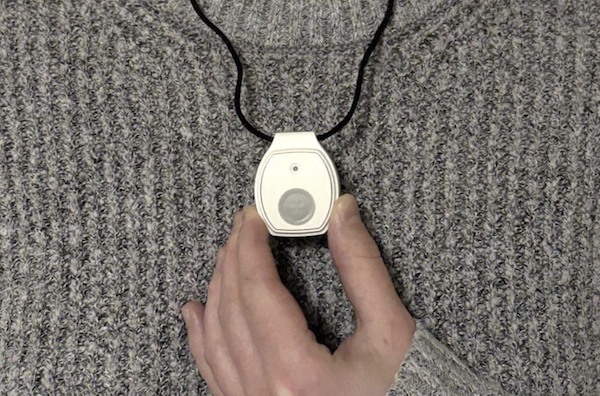
Automatic fall detection. A multi-axis sensor recognizes a hard fall and triggers an alert without the wearer pressing anything. This matters most for events the wearer cannot signal themselves.
Two-way audio. A clear speaker and microphone built into the pendant let the monitoring center talk to the wearer the moment something triggers. Most events are not falls. Many are dizziness, breathlessness, or chest discomfort, and the conversation alone is often the deciding factor in what kind of help is dispatched.
GPS tracking. The pendant works outside the home, in the driveway, on a walk around Beverly Park, in the car, on a Saturday morning errand to Trader Joe’s. For a parent with mild memory issues, the location signal is genuinely useful.
Cellular connectivity. The pendant runs on its own SIM and does not depend on the parent’s home Wi-Fi or a phone they may not always remember to charge. Reliability under power outages and patchy cellular zones, both of which still happen across Metro Detroit, is meaningfully higher.
Daily charging cradle. The device sits in a cradle on the kitchen counter or beside the bed each evening, the same way a hearing aid does. The habit becomes part of the morning and bedtime routine.
Family-app oversight. A trusted adult child manages the account from a phone. They are notified when the device alerts, when the battery is low, or when something needs attention. The parent does not need to manage the technology themselves.
Why the Sandwich-Generation Math Actually Works
The unromantic calculation that pushes most Metro Detroit families to act is simple. The current cost of the device is a fraction of the time, anxiety, and lost productivity the family is already absorbing each week from the worry it replaces. A sandwich-generation mother running between school pickup, her own job, and her parent’s house is operating with a constantly shifting attention budget. The medical alert reclaims a meaningful slice of that budget.
The shift the device produces is visible across a household that already runs full out. Multi-generational families that make space for grandparents in the weekly rhythm, including weekend traditions like a Saturday spent at a local playground, find those outings become less stressful for everyone. A grandparent attending a family event is no longer a logistical risk that the rest of the family has to manage in the background.
How to Talk to Mom or Dad About Life Assure Without Insulting Them
This is genuinely the hardest part. Metro Detroit parents of a certain generation are independent in a particular way, often shaped by long careers in the auto industry, in education, or in city services. The framing matters.
Frame the device as something for the family’s peace of mind, not for the parent’s safety. The truth is both, but the framing changes how the conversation lands.
Bring it up after a positive event, not a worrying one. A medical alert conversation in the days after a fall reads as a guilt trip. The same conversation a few weeks later, after a normal Sunday dinner, reads as care.
Make the parent the decision-maker. Show options. Let them pick the color, the style, the cradle location.
Don’t oversell. The device does one thing reliably. Promising more sets up disappointment.
Make the family roles clear. One adult child manages the account, the charging cradle visits, and the monthly subscription. Other siblings receive notifications and visit normally.
Common Mistakes Metro Detroit Families Make
A short list of recurring missteps.
Buying the cheapest base device with no GPS. The wearer is rarely housebound, and the home-only base unit creates a real coverage gap during the activities that anchor their week.
Forgetting that Metro Detroit weather is a factor. Black ice in driveways, January temperatures that affect medication absorption and balance, summer humidity that affects cardiac patients. The device should hold up across the seasonal range, and the family should expect the device to register more events in winter than in summer.
Skipping the family-app side setup. The device is supposed to make the family worry less. Without notifications routed to one or two named contacts, the family ends up phoning the monitoring center or the parent to confirm everything is fine, which defeats half the purpose.
Ignoring the trip-and-travel question. Family weddings in Chicago, beach trips to South Haven, winter retreats to Florida, regular visits to grandkids in Ohio. The device should roam.
Treating the device as one-and-done. Charging cradle visits, account updates, address updates if the parent travels, and quarterly contact-list refresh all matter.
Frequently Asked Questions From Metro Detroit Families
Will the device work if Mom takes a winter trip to Florida?
Most current devices roam on partnered cellular networks across the United States and most major international destinations. Confirm coverage and update the wearer’s address before any extended trip.
Can the parent wear the pendant in the shower?
Most current devices are splash-resistant or fully waterproof. The bathroom is statistically the highest-risk room in the house, so this is a feature worth confirming.
What happens if the device is pressed by accident?
Modern devices include a brief cancellation window. The operator opens the two-way audio, confirms with the wearer, and stands down without dispatch if the press was accidental. Real events get faster response. False positives become a calm thirty-second conversation.
Who in the family should manage the account?
One named adult child as primary, with one or two others on the notification list. Avoid splitting the active management across siblings, which produces ambiguous responsibility and missed maintenance.
A Final Note for Metro Detroit Sandwich-Generation Households
The unromantic truth about caring for an aging parent is that worry expands to fill any gap left in the schedule. A modern medical alert is not a substitute for the visits, the phone calls, and the cup of coffee on a Sunday morning that hold the relationship together. It is the small, quiet, dependable piece of household infrastructure that lets the worry recede from the foreground of the day, so the actual relationship can do what it has always done. The device does its job in the background, and the family gets to keep being the family.

Brittany is a proud mom to two fun loving kiddos, Grayson and Audrey. With a passion for health and fitness, she’s a certified personal trainer and nutritionist who enjoys helping others lead active, enjoyable lives. When she’s not coaching clients, you can find Brittany, her husband, and her kids exploring Michigan’s vibrant scene of indoor play centers, parks, eateries, and events. Whether they’re discovering new hiking trails, celebrating local restaurant openings, or spending the afternoon at the cider mill, they’re always on the lookout for their next adventure. Brittany is passionate about sharing her family’s experiences to help other parents create lasting memories in Metro Detroit. You can follow along with her and her crew here @brittmilesxo.