

Kids sometimes need a gentle push to head outdoors, especially when screens or indoor toys are close by. Fresh air and open space give children room to move, explore, and reset. With a few thoughtful ideas, parents can help outdoor time feel inviting and enjoyable, turning ordinary days into opportunities for discovery and play.
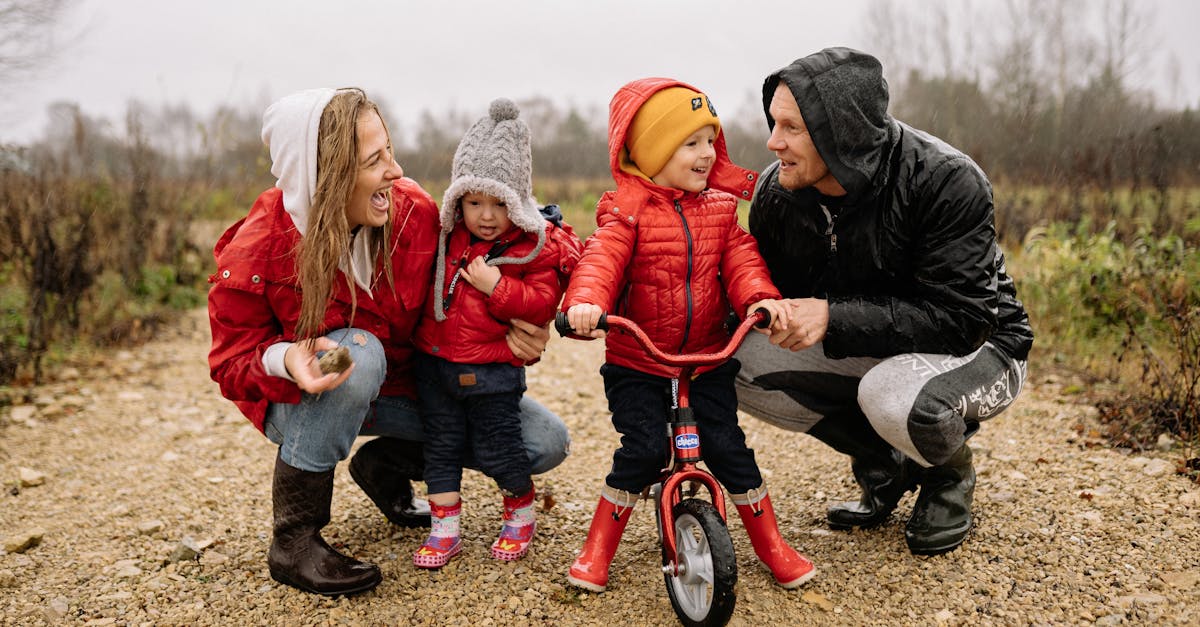
Make Outdoor Time Feel Special
A change in routine can make outdoor time feel new again. Setting up a simple nature detective activity or creating a color-themed scavenger hunt can spark excitement. Rotating outdoor toys or placing something unexpected outside, such as paintbrushes and a bucket of water for patio art – can encourage kids to step outside and see what is waiting for them. Even small traditions, such as blowing bubbles after school or sharing a quick craft outside, can help children associate outdoor time with something pleasant.
Create Little Invitations to Play Throughout the Week
Invitations to play are simple, thoughtful setups that gently encourage kids to head outside without needing much explanation. A basket of chalk, a few favorite balls, a blanket with picture books, or a small sensory bin can spark curiosity and invite exploration. These low-effort ideas are especially helpful on busy days when parents want kids moving and engaged without planning anything elaborate.
Spending time outdoors through free play supports both physical and cognitive development in ways indoor play often cannot. This resource highlights the value of outdoor free play and explains why spending time outside is important for kids. Activities like, digging, imagining, and open-ended exploration give children space to move their bodies, problem-solve, and create on their own.
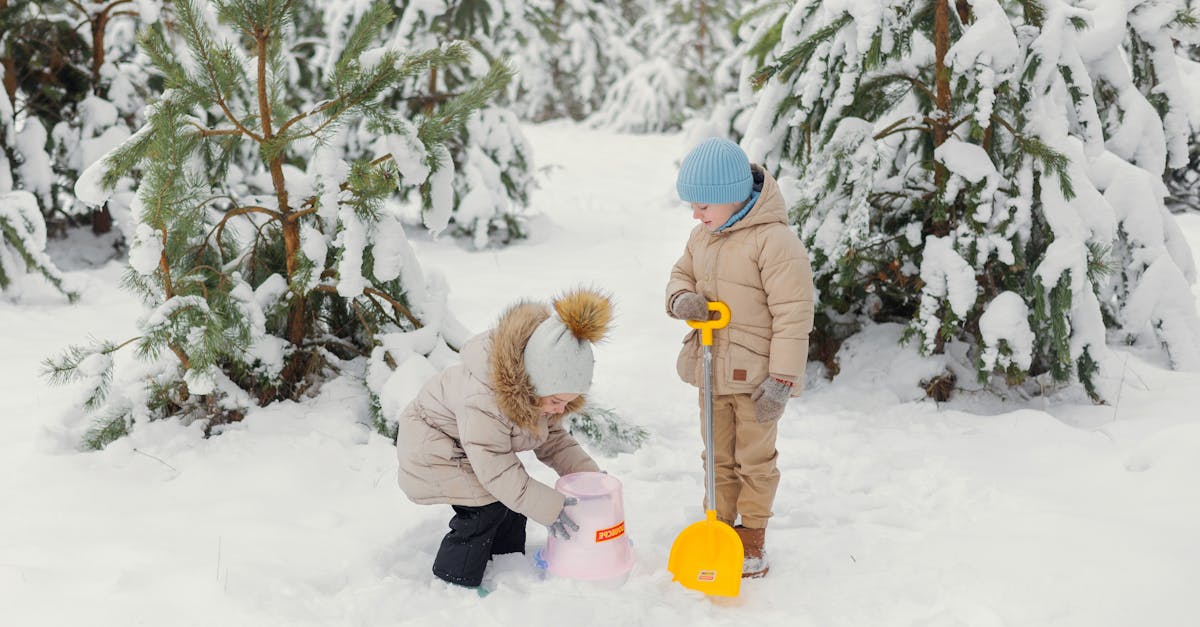
In colder months, outdoor play can still feel inviting with a few simple adjustments. Keeping snow pants, boots, and hats easy to grab removes a big barrier to getting outside, and setting out activities that work well in winter, like snow scoops, shovels, or a thermos of warm water for sensory play, can make outdoor time feel special instead of inconvenient. Rotating materials now and then also helps renew interest, children are often drawn back outside when they notice something new waiting for them.
Offer Activities That Match Your Child’s Interests
Children are more likely to spend time outdoors when activities align with their personalities. Some enjoy searching for leaves, watching insects, or tending a small garden. Others prefer movement-based play, such as obstacle courses or simple sports equipment. Creative children may enjoy chalk murals, outdoor storytelling, or crafting with natural materials. Focusing on activities that keep them curious helps outdoor time feel more like something they choose for themselves.
How Outdoor Play Environments Differ Between Regions
Outdoor play varies widely depending on local weather and neighborhood design. In Michigan, families regularly adjust their outdoor routines by season. Us Metro Detroit parents are used to chilly spring mornings, warm summer afternoons, and long fall days that encourage short but frequent outdoor breaks. Many yards include spots that can be rearranged easily, along with shaded areas that make hotter days more comfortable.
Other regions experience patterns that shape outdoor play in different ways. Cities such as Chicago and Columbus face changing conditions that affect how families plan yard activities. Warmer cities like Charlotte and Atlanta often rely on shade and water play to allow children to stay outdoors longer. Coastal regions in New Jersey and Maryland experience humid summers, which influence the types of outdoor features families choose. In Pennsylvania towns such as Media or West Chester, parents often look for features that help children stay comfortable during long stretches of warm weather. Families interested in adding a kid-friendly water element often turn to a swimming pool contractor in Garnet Valley PA to create a design that works with the area’s climate and supports active outdoor play. These examples show how families across the country tailor outdoor experiences to suit their environment. Weather, space, and neighborhood layout all shape the kinds of activities children enjoy most.
Build a Routine Around Outdoor Time
Daily habits help children feel steady, and adding outdoor moments into family routines can make outside play easier to choose. A few minutes outdoors before school, some movement after homework, or a relaxed play period before dinner can help break up the day. These small rituals give kids something to look forward to and make outdoor time feel familiar and achievable. Even brief outings can boost energy, mood, and focus.
Make Outdoor Spaces Comfortable for the Whole Family
Comfort often determines how long children stay outside. A shaded swing, a comfortable seat for the parents, or a small bin for toys can make the yard feel more welcoming. Many parents find they enjoy outdoor time more when they have a place to sit or read while their child plays. Keeping water nearby, applying sunscreen, and offering light snacks can also help kids stay outside longer on warm days. For parents looking for new ideas to keep outdoor time engaging, this list of exciting outdoor games for kids offers plenty of simple activities to try.
Simple Ways Parents Can Join the Fun
Children often stay outside longer when parents participate for a few minutes. Joining a short game of tag, reading together in a shady spot, or agreeing to push them on the swings can make outdoor time feel more connected. A walk around the block, spontaneous snowball fight, a picnic outside, or a quick look at interesting rocks or plants can turn an ordinary moment into something memorable. These shared experiences help children see outdoor play as a natural and enjoyable part of everyday life.
Encouraging kids to spend more time outside often begins with small choices that make outdoor play feel enjoyable and accessible. Simple adjustments throughout the week can spark curiosity and create opportunities for fresh air and movement. Whether families visit local parks or create inviting spaces at home, time spent outdoors can support creativity, confidence, and meaningful family connection.

Brittany is a proud mom to two fun loving kiddos, Grayson and Audrey. With a passion for health and fitness, she’s a certified personal trainer and nutritionist who enjoys helping others lead active, enjoyable lives. When she’s not coaching clients, you can find Brittany, her husband, and her kids exploring Michigan’s vibrant scene of indoor play centers, parks, eateries, and events. Whether they’re discovering new hiking trails, celebrating local restaurant openings, or spending the afternoon at the cider mill, they’re always on the lookout for their next adventure. Brittany is passionate about sharing her family’s experiences to help other parents create lasting memories in Metro Detroit. You can follow along with her and her crew here @brittmilesxo.