

Many parents first start wondering if something more is going on when reading doesn’t seem to “click,” even though their child is working incredibly hard. Others observe difficulties with coordination, balance, or attention long before reading challenges become obvious. While movement alone does not treat dyslexia, research shows that physical development and brain development are closely connected. Early identification of dyslexia, combined with movement-rich experiences and evidence-based reading instruction, can help children build stronger academic and developmental foundations.
Knowing what to look for—and how movement supports early brain development—can give parents another way to support their child’s learning journey.
Early Warning Signs of Childhood Dyslexia
When families aren’t certain whether they’re seeing typical development or something that warrants closer attention, resources like learning about childhood dyslexia with Forbrain offer a practical foundation. Dyslexia rarely has one obvious sign. Instead, families often notice a pattern of small challenges that continue over time. Those signs can look different depending on a child’s age, which is why many children aren’t identified until reading becomes more demanding in elementary school.

Signs During Preschool and Kindergarten
Even before formal reading instruction begins, children with dyslexia may show signs such as:
- Difficulty recognizing rhymes
- Trouble learning letter names and sounds
- Persistent pronunciation errors
- Difficulty remembering sequences of sounds
- Delayed phonological awareness skills
These early language challenges often become more noticeable as children prepare to learn to read.
Signs During Early Elementary School
Once reading instruction begins, children with dyslexia may:
- Read below grade level despite consistent effort
- Confuse similar letters such as b and d
- Read slowly or lose their place while reading
- Have inconsistent spelling
- Avoid reading aloud
- Express ideas well verbally but struggle to write them down
This gap between spoken ability and written performance is one of the most common characteristics of dyslexia.
Why Movement Matters for Brain Development
While dyslexia is primarily a language-based learning difference, healthy brain development involves much more than reading skills alone.
Movement experiences in early childhood form the foundation for all later learning, and supporting child development through reflex integration demonstrates one area where structured physical activity shows direct neurological value. Some experts also look at primitive reflexes—automatic movement patterns babies are born with. As children grow, these reflexes typically become integrated through normal movement and play. When they don’t, some children may experience additional challenges with coordination, focus, or sensory processing..
Movement helps children organize sensory information, strengthen neural pathways, and develop many of the foundational skills that support learning. Activities such as crawling, balancing, climbing, jumping, and rhythmic play stimulate multiple areas of the brain involved in attention, coordination, memory, and language.
Research has consistently shown that regular physical activity supports cognitive development alongside traditional academic learning.
The Brain-Body Connection
Every jump, climb, crawl, and swing gives a child’s brain another opportunity to build important connections.
As children crawl, roll, swing, balance, or catch a ball, they receive sensory information through the vestibular and proprioceptive systems. These experiences strengthen communication between different regions of the brain while supporting:
- Balance and coordination
- Body awareness
- Attention
- Emotional regulation
- Motor planning
Some children also benefit from activities designed to encourage primitive reflex integration, particularly when retained reflexes contribute to challenges with coordination, sensory processing, or self-regulation. These activities are not treatments for dyslexia but may encourage broader neurological development when recommended by qualified professionals.
Why Rhythm and Repetition Support Learning
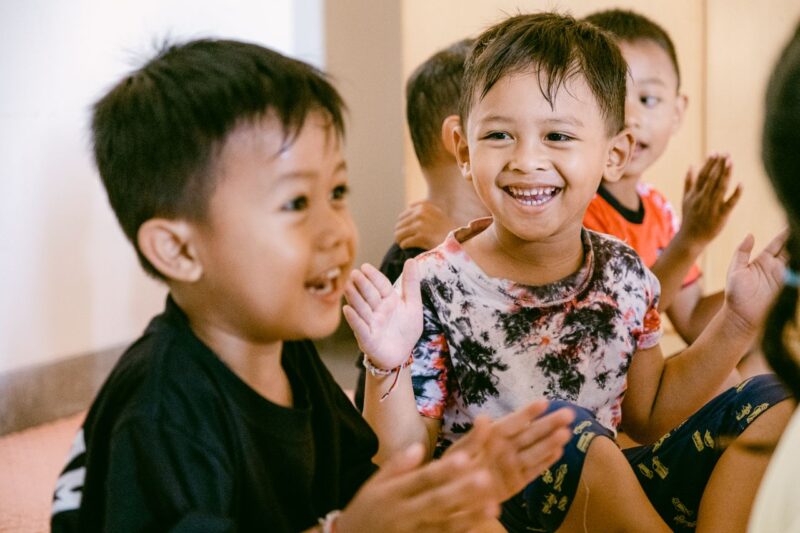
Simple activities parents already do—like clapping games, dancing in the living room, or marching to music—can also strengthen early development.
Activities such as:
- Clapping games
- Marching
- Dancing
- Jumping to a beat
- Skipping with rhythm
help children develop timing, coordination, and auditory processing skills.
Repeated movement also strengthens neural pathways over time. Just as reading improves through consistent practice, movement helps build automatic motor patterns that support attention, coordination, and classroom readiness.
How Dyslexia Affects More Than Reading
Many parents focus primarily on reading, but dyslexia often affects several areas of school life.
Children may experience challenges with:
- Written expression
- Spelling
- Handwriting
- Completing written assignments
- Organizing ideas on paper
- Following lengthy written instructions
These academic struggles can gradually affect confidence and emotional well-being.
Children with dyslexia may become frustrated, avoid reading activities, or begin believing they are less capable than their peers, despite having average or above-average intelligence.
Types of Movement That Support Overall Development
A balanced movement routine supports multiple areas of child development.
Helpful activities include:
Gross Motor Activities
Obstacle courses, climbing, running, animal walks, balancing, and playground play help improve coordination, executive functioning, and body control.
Vestibular Activities
Swinging, spinning, rocking, and balancing stimulate the sensory systems involved in posture, balance, and spatial awareness.
Proprioceptive Activities
Pushing, pulling, carrying, crawling, and other “heavy work” activities improve body awareness while promoting self-regulation.
Fine Motor Activities
Drawing, cutting, building blocks, clay play, and threading beads strengthen hand control needed for handwriting and other classroom tasks.
Combining structured movement with free play allows children to develop both specific motor skills and creative problem-solving abilities.
When to Seek Professional Support
If reading difficulties continue despite classroom instruction, it is important to request a comprehensive evaluation rather than waiting for a child to “catch up.”
A formal assessment may include:
- Reading fluency
- Phonological processing
- Decoding skills
- Spelling
- Cognitive abilities
- Language processing
Once dyslexia is identified, evidence-based structured literacy programs—such as those based on the Orton-Gillingham approach—provide targeted instruction that helps children develop reading and spelling skills through explicit, systematic teaching.
Movement activities can complement these interventions by supporting attention, coordination, and overall brain development, but they should not replace specialized reading instruction.
Conclusion
Every child learns differently, and early support can make a meaningful difference. Recognizing the signs of dyslexia early gives families more opportunities to access the tools and resources that help children succeed.
At the same time, regular movement plays an important role in healthy brain development. Activities that encourage balance, coordination, rhythm, and sensory integration support many of the cognitive and motor skills children rely on for learning. Together, structured literacy instruction, movement-rich experiences, and early intervention create a strong foundation that helps children with dyslexia build confidence and reach their full potential.
This article is intended for educational purposes only and should not replace professional medical, psychological, or educational advice. If you have concerns about your child’s reading, language development, or overall development, consult a qualified healthcare professional or educational specialist for an individualized assessment.